

Control the build. Protect the care.
Owner-side scheduling, cost and risk control for bed towers, outpatient centers and renovations inside working hospitals. Leadership sees where the program really stands every month, before a slip reaches a patient floor.
What is really at risk.
Every shutdown is a clinical event
Utility tie-ins, infection control phases and department moves sit on the critical path. If the schedule does not model them, nobody sees the conflict until a unit has to close.
Equipment sets the real dates
Imaging and clinical equipment arrives on vendor timelines that rarely match construction. One late install can leave a finished suite idle for months.
Boards approve the budget once
Capital committees need an estimate at completion and a contingency drawdown they can trust. A surprise at the last meeting of the year costs more than money.
Where we add control.
- 01
Acute-care expansions
Bed towers, emergency departments and surgical suites, scheduled around clinical operations that never pause.
- 02
Outpatient and ambulatory centers
Clinics, imaging and ambulatory surgery, where speed to first patient drives the return on capital.
- 03
Medical office buildings
Core, shell and physician fit-outs tracked against lease commitments and opening dates.
- 04
Renovations in occupied hospitals
Phased work inside live facilities, with every shutdown, phase and move tied into one CPM schedule.
How we control it here.
The KonradBeck capabilities owners in this market call on most.
An owner-side team that sits with facilities, clinical and finance leaders and speaks for the hospital in every contractor meeting.
A Primavera P6 master schedule that carries shutdowns, equipment installs and department moves as real activities with real logic.
Monthly EAC, contingency drawdown and change order logs reported to the capital committee in plain language.
Monte Carlo QSRA on the activation date, so leadership sees the P50 and P80 before announcing an opening.
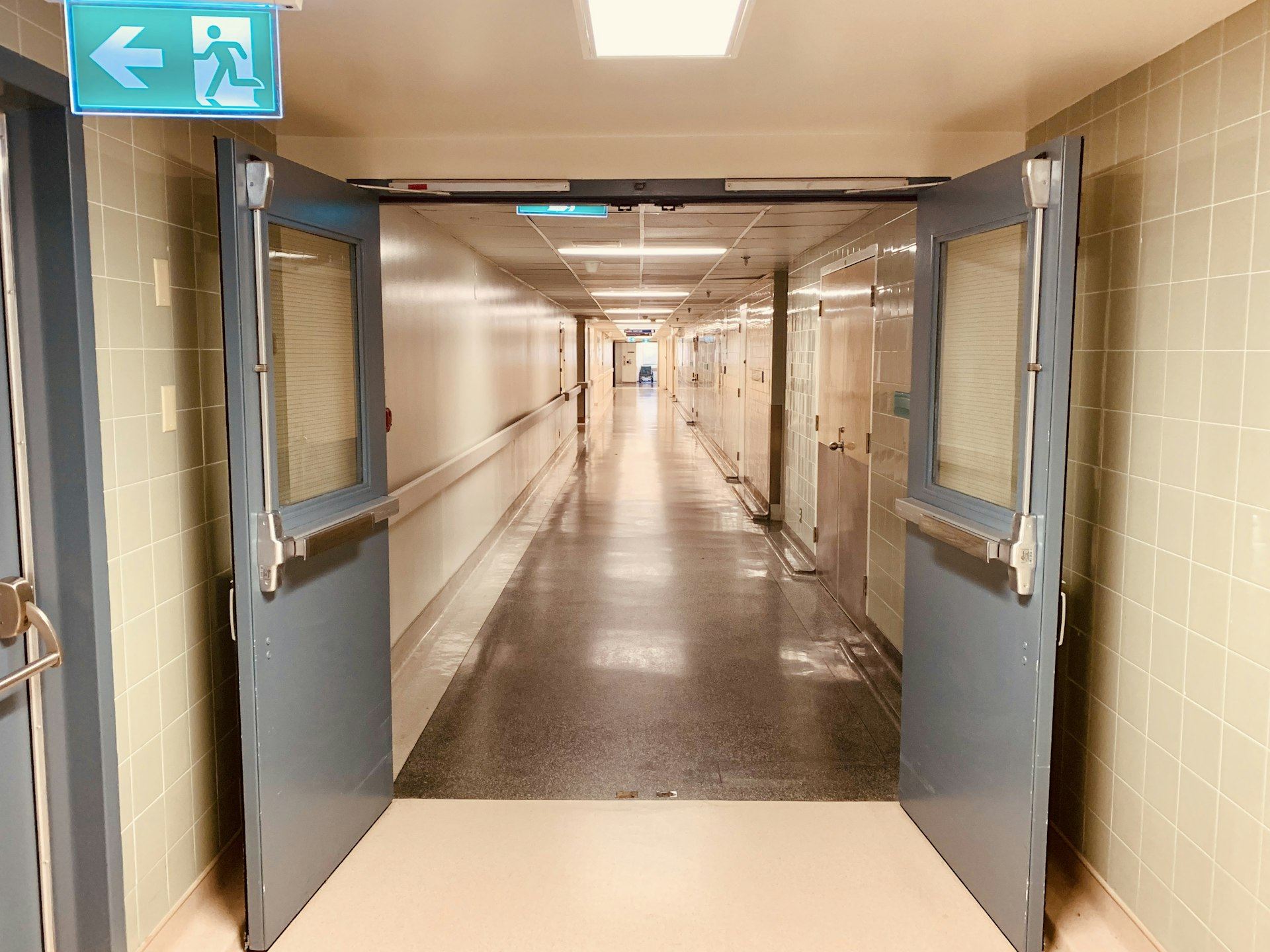
A $385M expansion inside a hospital that never closed.
The hospital kept admitting patients while imaging and clinical space was rebuilt around it. Our owner-side controls team built one integrated schedule that treated every utility shutdown, equipment install and department move as a critical activity, then reported cost and float to leadership every month. Problems surfaced while there was still time to fix them.
- $385M
- Program controlled
- Phased
- Occupied-site delivery
- 2024
- Engagement year


Questions owners ask us.
Do you replace the contractor’s scheduler?
No. The contractor owns its schedule. We review every update against the baseline, test the logic and float, and tell the hospital what the update is not saying.
How do you handle equipment and activation in the schedule?
Vendor lead times, rigging paths, installs, testing and clinical activation are loaded as linked activities. A late delivery shows up on the critical path the day it is known.
What does leadership actually receive each month?
A short executive report: forecast completion, EAC against budget, contingency remaining, top risks and the decisions needed this month. One page first, with the backup behind it.

See your healthcare program clearly.
Share the program, the budget and the date that matters. A senior KonradBeck controls lead will come back to you within one business day.