
Know the real number before you commit.
Independent estimates and budgets built from quantities, market data and risk, so the figure you take to your board is the figure the project can actually be delivered for.
Why it matters.
The budget is set before the design is
Funding is approved on a number produced at concept. If that number is optimistic, every later decision is spent defending it instead of managing it.
Markets move faster than approvals
Escalation, labor availability and equipment lead times shift month to month. A budget priced on last year’s data is already wrong on the day it is approved.
Unpriced risk is still a cost
A contingency with no basis is a guess. When it runs out halfway through, the owner finds out the hard way what it was supposed to cover.
How we work.

- 01
Class-based estimating
Estimates classed to AACE recommended practice, from parametric concept budgets to detailed quantity takeoffs, with the accuracy range stated on the cover page.
- 02
Basis of estimate
Every estimate ships with its assumptions, exclusions, quantities and pricing sources written down, so anyone can test it and nothing hides in a lump sum.
- 03
Escalation and market pricing
Labor and material escalation modeled to the midpoint of the work, checked against current market data rather than a flat percentage.
- 04
Design milestone reconciliation
Each new estimate is reconciled line by line to the last one, so you see exactly what moved, why, and whether the design is drifting off budget.
- 05
Risk-based contingency
Contingency sized from a quantified risk register, with a P50 and P80 view, so the reserve you carry has a reason behind every dollar.
What you receive.
Every engagement is scoped to the project. These are the core outputs clients can expect.
Detailed estimates at each design stage, reconciled to the previous one and classed by accuracy.
The written record of scope, quantities, pricing sources, exclusions and allowances behind each number.
Cost escalation by trade and year, tied to the procurement and construction timeline.
A risk-based contingency recommendation with the confidence level each figure represents.
Projected spend by month so finance teams can plan draws, bonds and grant drawdowns.
A budget that survived every design turn.
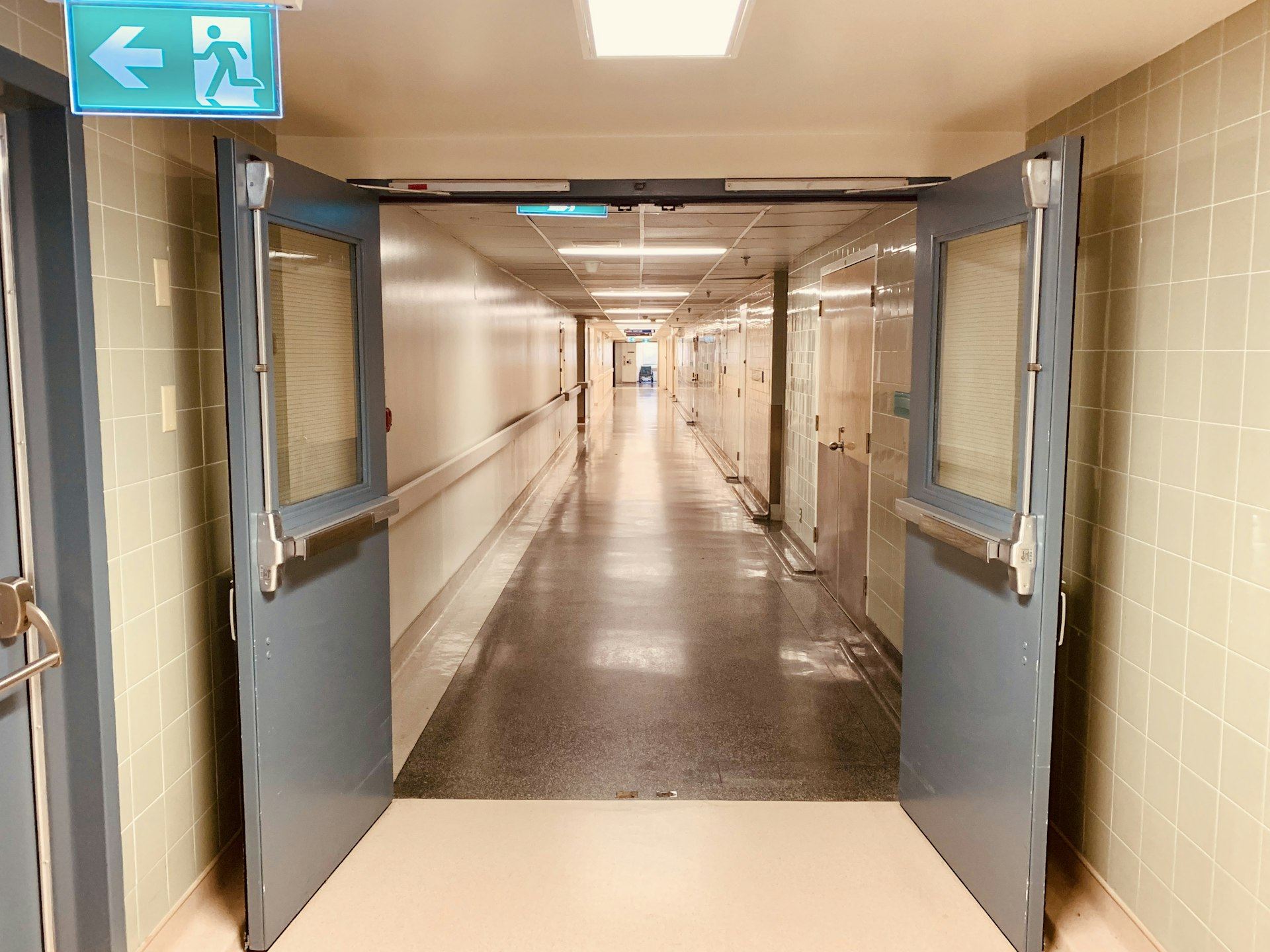
The hospital needed a funding number for a phased imaging and clinical expansion before design was complete. We built the owner-side estimate, reconciled it at every milestone and tied contingency to a priced risk register, so the board approved a budget it never had to reopen while the hospital stayed fully operational.
- $385M
- Program budget controlled
- 2024
- Engagement year
- 0
- Budget resets after approval
Questions clients ask us.
How early should we bring in an independent estimator?
At concept, before the funding request goes out. That is when the number is easiest to shape and most expensive to get wrong.
Can you check an estimate prepared by our contractor or design team?
Yes. Independent estimate reviews are a core part of the work. We test quantities, unit rates, escalation and contingency, and reconcile the differences line by line.
What accuracy should we expect at each stage?
It depends on design maturity. We class every estimate to AACE recommended practice and state its expected accuracy range, so no one mistakes a concept number for a bid.

Turn complexity into clarity.
Tell us what is keeping the project up at night. We will tell you where the schedule, cost and risk really stand.