
A schedule you can actually run.
Logic-driven CPM schedules built in Primavera P6, updated every period and written so owners, contractors and lenders all read the same critical path.
Why it matters.
A bar chart is not a plan
Schedules with missing logic, hard constraints and padded durations look fine on the wall and fail the first time something slips.
Float disappears quietly
Float erosion rarely makes a meeting agenda. By the time the finish date moves, the weeks that could have saved it are already gone.
Everyone has their own version
When design, procurement and construction each keep a separate schedule, no one can say with confidence what drives the end date.
How we work.

- 01
Integrated master schedule
Design, permits, procurement, construction, commissioning and occupancy in one P6 schedule, with milestones your executives and funders recognize.
- 02
Logic before dates
Every activity tied to a predecessor and a successor. Constraints only where the contract demands them. The critical path comes from the logic, not from wishful thinking.
- 03
Baseline you can defend
We build and review the baseline with the people doing the work, then lock it with a documented basis of schedule before the first update.
- 04
Disciplined updates
Monthly or weekly updates against a fixed data date, with progress verified, logic changes logged and a variance narrative that explains what moved.
- 05
Look-aheads that drive action
Three-week and six-week look-aheads pulled from the master schedule, so field decisions and the critical path stay connected.
What you receive.
Every engagement is scoped to the project. These are the core outputs clients can expect.
A resource-aware, logic-driven baseline with a written basis of schedule.
Statused schedules with verified progress against a fixed data date.
What changed, why, the float lost or gained and the actions required to recover.
Key dates, forecast versus baseline, on one page your board can read in a minute.
Short-interval plans drawn from the master schedule for weekly coordination.
Many contracts. One critical path.
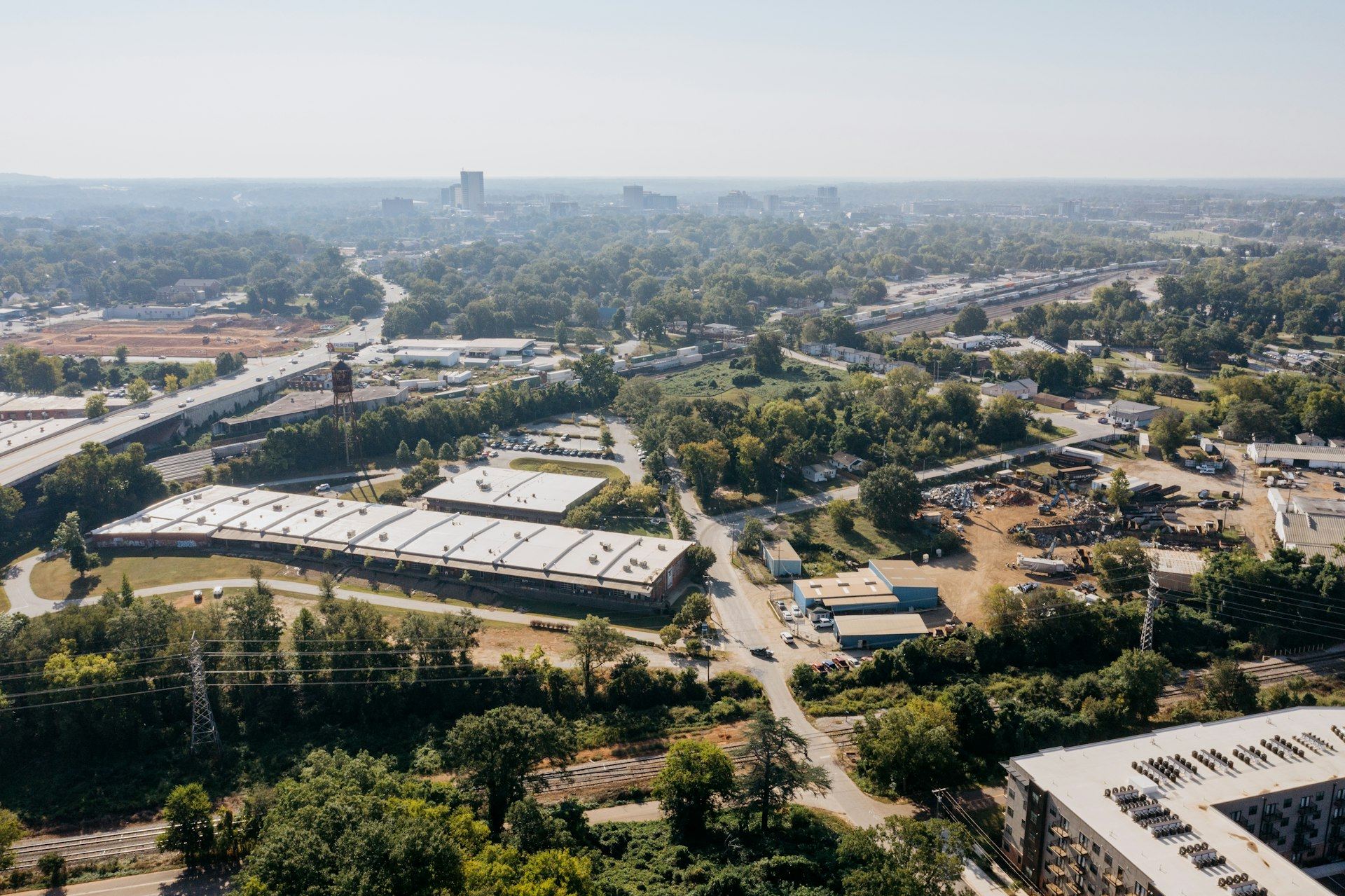
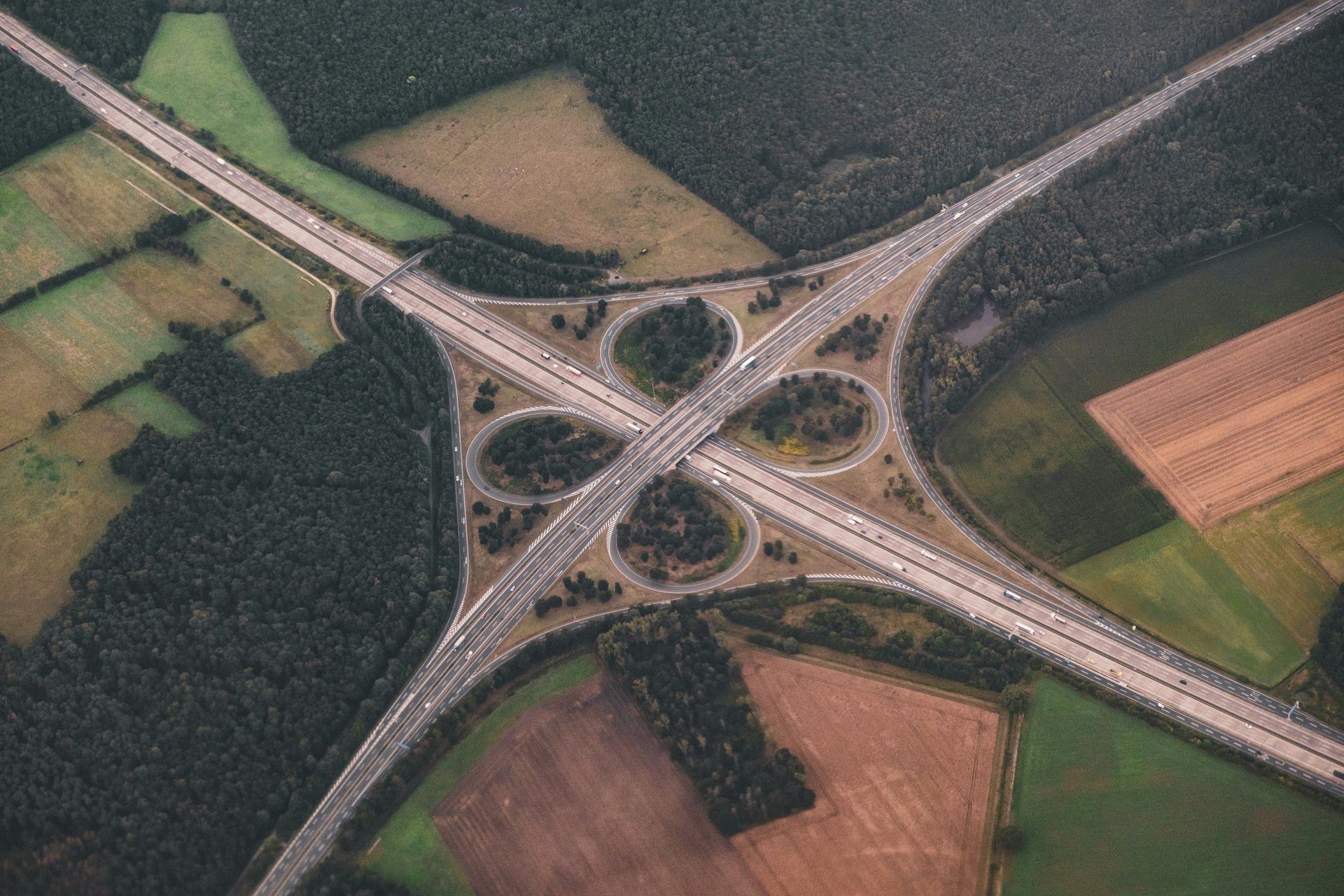
The managed-lanes corridor was split into multiple construction contracts, all working under live traffic. We integrated every contractor schedule into a single master schedule, aligned the traffic switches and tolling milestones and gave the owner one critical path to manage instead of competing versions.
- 18
- Corridor miles
- 1
- Integrated master schedule
- 2024
- Engagement year

Questions clients ask us.
Do you only work in Primavera P6?
P6 is our primary platform. We also work in Microsoft Project when a contract or client requires it, and we can review and convert schedules between the two.
Can you take over scheduling midway through a project?
Yes. We start with a health check of the current schedule, repair logic and status, then carry the updates forward with a clear record of what we changed.
How often should a schedule be updated?
Monthly at minimum. Fast-moving or high-risk work benefits from weekly updates. We set the cadence around your reporting cycle and the pace of the work.
Will our contractors accept your schedule?
We build it with them, not around them. Contractors review the logic and durations for their scope, which is what makes the baseline stick.

Turn complexity into clarity.
Tell us what is keeping the project up at night. We will tell you where the schedule, cost and risk really stand.