
Prove the delay. Price the impact.
Time impact analysis, windows analysis and cost quantification that establish who caused what, how many days it cost and what it is worth, in a form that stands up to review.
Why it matters.
Entitlement is decided by evidence
A delay that everyone remembers is worth nothing without contemporaneous records and a credible analysis. Memory loses to documentation.
Small claims grow when ignored
An unanswered time extension request turns into a disputed claim, then a formal dispute, at a cost far beyond the original issue.
Methods matter
The wrong analysis method, or the right one done poorly, can sink a strong position. Reviewers look at the method before they look at the result.
How we work.
- 01
Contemporaneous delay tracking
Delay events logged and analyzed as they happen, with notices and records captured while the facts are fresh.
- 02
Time impact analysis
Fragnets inserted into the schedule current at the time of the event, showing the effect on the critical path and the completion date.
- 03
Windows and as-planned versus as-built analysis
Retrospective methods chosen to fit the records available and the contract, following AACE forensic schedule analysis practice.
- 04
Concurrency and responsibility
Overlapping delays separated by cause and party, so excusable, compensable and contractor-caused time are each accounted for.
- 05
Cost quantification
Extended general conditions, escalation, disruption and acceleration costs priced and tied back to the delay periods that caused them.
What you receive.
Every engagement is scoped to the project. These are the core outputs clients can expect.
Each event with its dates, notices, records and status.
Schedule fragnets and the resulting change to the completion date.
Windows or as-built analysis with findings by period and by party.
Priced delay and disruption costs with the backup behind each figure.
Summary findings, exhibits and positions ready for settlement discussions.

A multi-party claim, settled without arbitration.
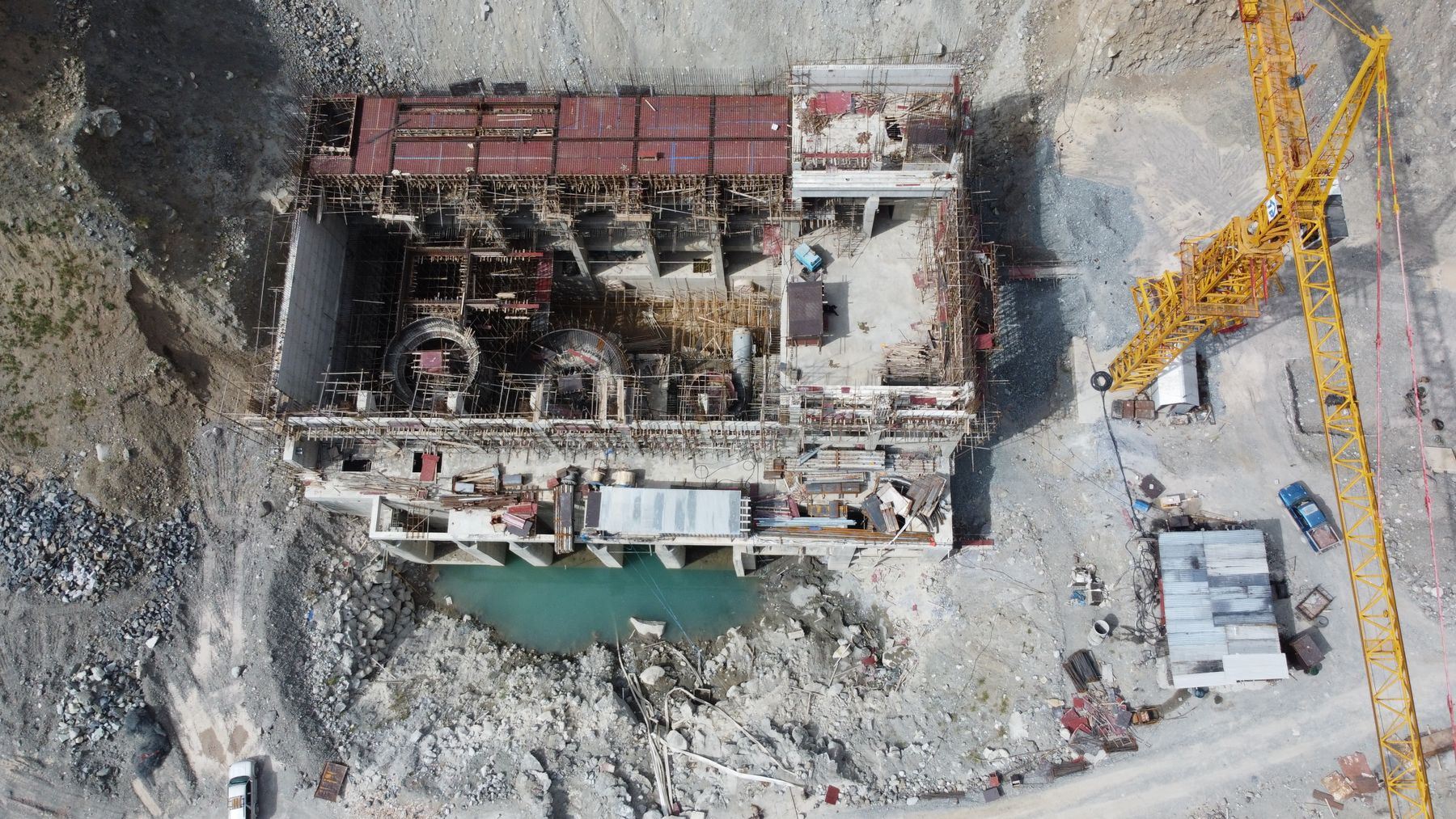
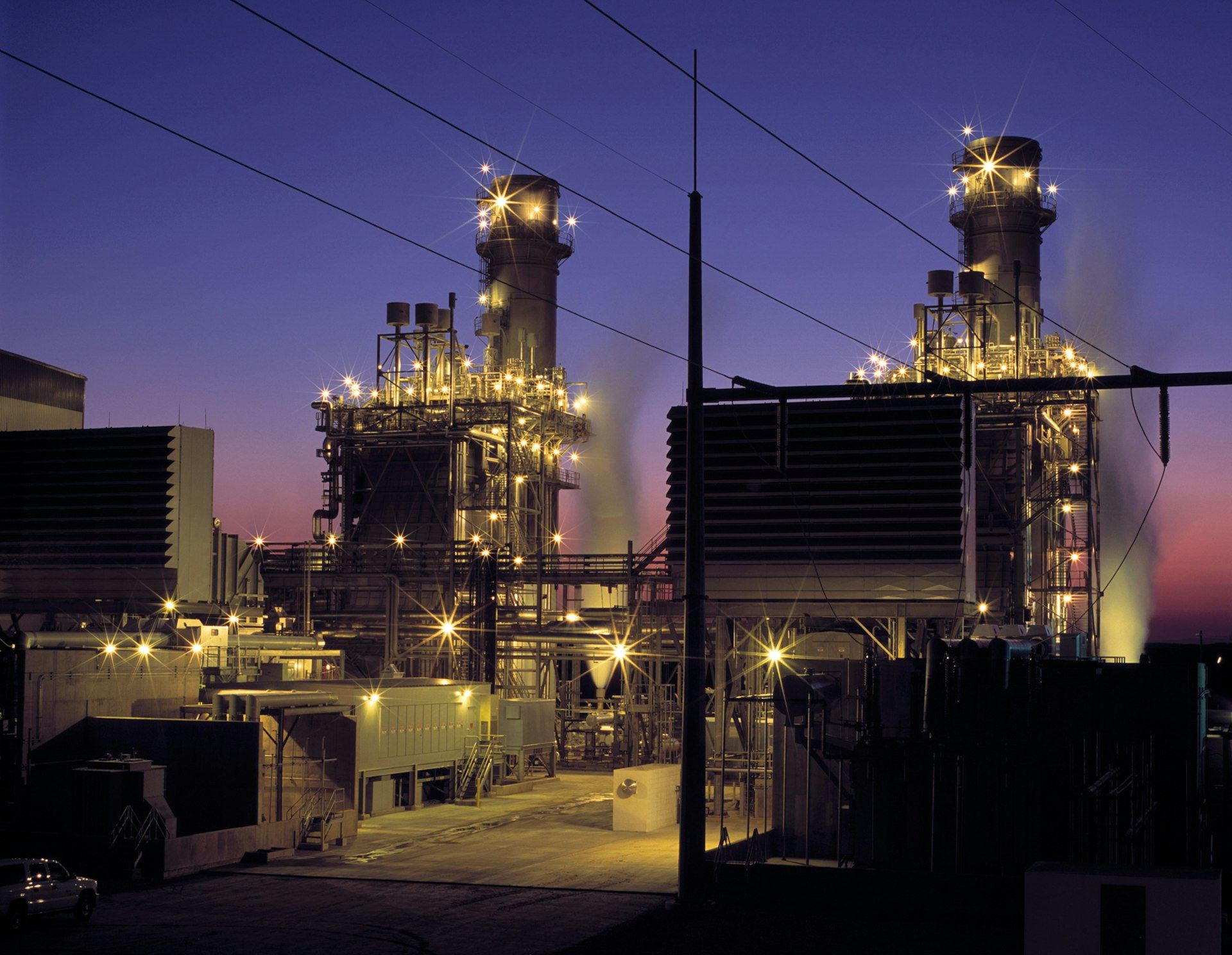
On the on-site power plant, several parties had competing time extension requests. We built a contemporaneous delay analysis period by period, separated concurrent delays by cause and gave every party the same evidence to negotiate from. The request was resolved without going to arbitration.
- 120 MW
- Plant capacity
- 0
- Arbitration hearings needed
- 2026
- Engagement year

Questions clients ask us.
Do you work for owners or contractors?
Both. Our analysis follows the evidence. A credible method is what gives either side a position worth defending.
Which delay analysis method do you use?
The one that fits the contract, the records and the question being asked. We follow AACE forensic schedule analysis practice and explain why the chosen method fits.
Can you help before a claim exists?
Yes, and that is where it pays most. Contemporaneous time impact analysis resolves most delays while the project is still moving.
Turn complexity into clarity.
Tell us what is keeping the project up at night. We will tell you where the schedule, cost and risk really stand.